

No products added!

Written by
geor.spa0607
January 19, 2026
What is platelet-rich plasma (PRP)?What is platelet-rich plasma (PRP)?
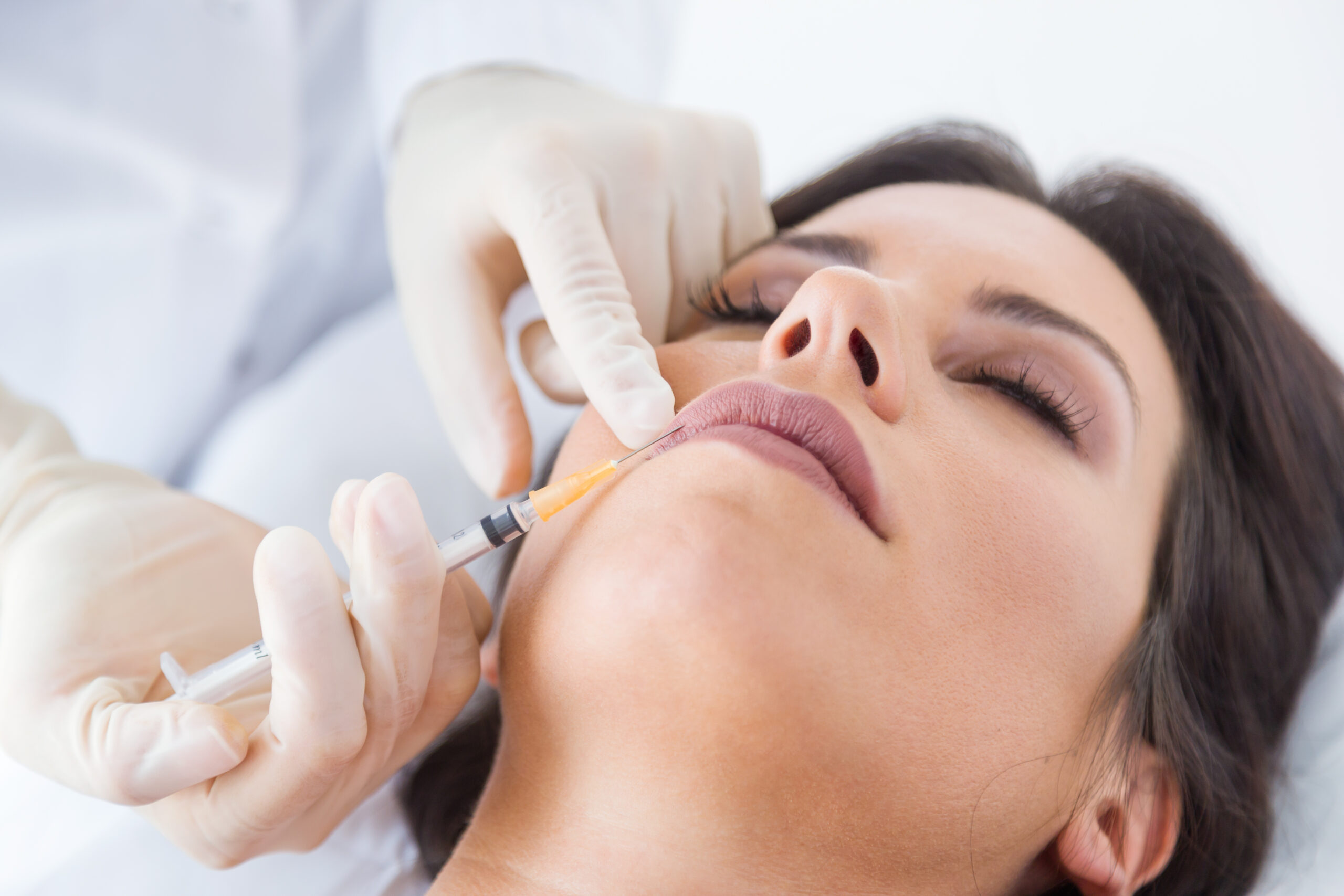
Platelet-rich plasma (PRP) is a product with significant advantages and numerous uses. Among its current indications are the treatment of alopecia and skin aging.
One of its main advantages is that it is obtained from the patient’s own blood, thus avoiding problems with allergies or rejection. Furthermore, it does not require prior testing, only a dermatological evaluation of the patient (medical history and physical examination with clinical imaging).
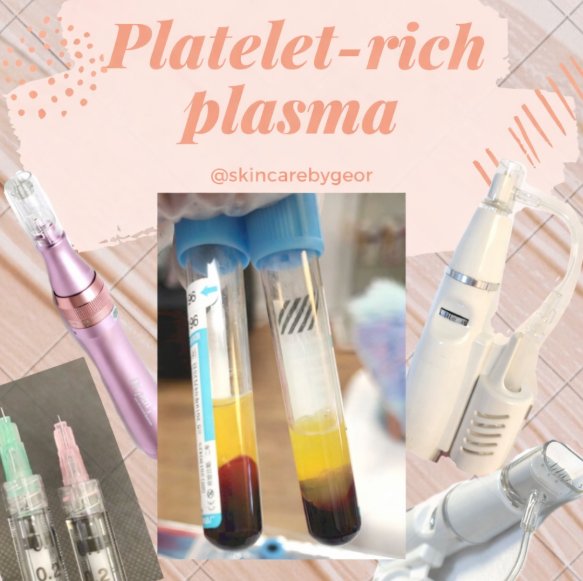
PRP is plasma with a much higher concentration of platelets than is typically found in blood. The platelet concentration (and, therefore, the concentration of growth factors) can be 5 to 10 times higher (or richer) than normal.
To prepare PRP, blood must first be drawn from a patient. The platelets are separated from other blood cells, and their concentration is increased during a process called centrifugation. The increased platelet concentration is then combined with the remaining blood.
How does PRP work?
Although it’s not entirely clear how PRP works, laboratory studies have shown that increasing the concentration of growth factors in PRP can potentially accelerate the healing process.
To speed up healing, the injury site is treated with the PRP preparation. This can be done in one of two ways:
- PRP can be carefully injected into the injured area. For example, in Achilles tendinitis, a condition commonly seen in runners and tennis players, the heel cord can become inflamed, swollen, and painful. A mixture of PRP and local anesthetic can be injected directly into this inflamed tissue. Afterward, pain in the injection area may actually increase for the first week or two, and it may take several weeks before the patient feels a beneficial effect.
- PRP can also be used to enhance healing after surgery for some injuries. For example, an athlete with a completely torn heel cord may require surgery to repair the tendon. The healing of a torn tendon can potentially be improved by treating the injured area with PRP during surgery. This is done by preparing the PRP in a special way that allows it to be sutured into torn tissue.
The most important benefits of this treatment are these:
- It increases collagen, a protein that boosts cell regeneration and promotes the repair of blemishes, marks, scars, and fine lines, among other things. In fact, collagen is well-known for preventing and slowing the appearance of wrinkles.
- It combats cellulite, a concern for many women. Thanks to tissue regeneration and the increased blood flow provided by PRP treatment, you can see a significant reduction in this condition. It eliminates sagging skin. Above all, platelet-rich plasma can help tone your muscles and restore the firmness you may have lost over the years.
- It promotes the production of elastin, a substance indicated for preserving skin elasticity and reducing the appearance of wrinkles. Thus, it can be ideal for faces that have lost firmness. It stimulates hair growth. Did you know that applying it to the scalp can lead to increased hair growth? Above all, it can be ideal for cases of alopecia or for times when you might experience significant hair loss (stress, autumn, etc.). You’ll notice stronger, shinier hair growth with a healthier color.
- It’s an excellent treatment for preventing age-related skin changes. In fact, these substances help slow down skin aging.
